Reaching every child with life-saving health services, especially in underserved communities
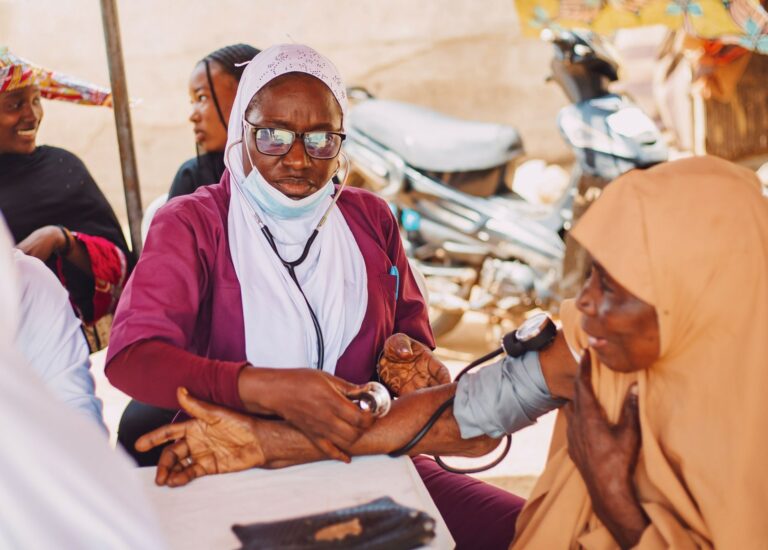
The Integrated Child Survival Advocacy at the Last Mile (ICSA) Project is a multi-state initiative designed to improve access to essential child health services by strengthening advocacy for sustainable health financing, integrated primary health care, community participation and accountable service delivery.
The project works with government institutions, community leaders, civil society organisations, development partners and private sector stakeholders to address the barriers that prevent children from accessing life-saving health interventions, particularly immunisation and malaria services. By connecting policy reform, sustainable domestic financing, community demand and last-mile service delivery, ICSA supports stronger primary health care systems that can respond to the needs of children and their families.
- 6 + FCTstates, with national work
- 145local government areas
- 3consortium partners
- 2027goal: every child reached
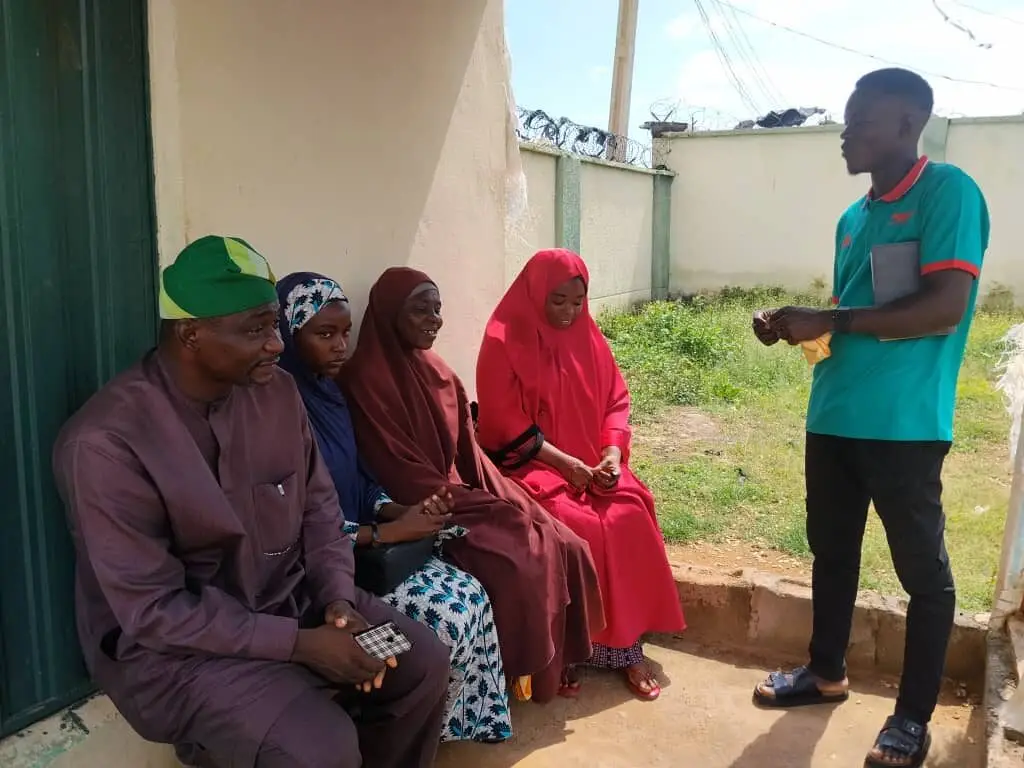
A future where every child can access essential, quality health services
Regardless of where they live, and where preventable deaths among mothers, children and newborns are eliminated.
Reach every child across 145 local government areas by 2027
With immunisation and malaria services, through advocacy for sustainably financed, integrated primary health care that is community-led and accountable.
Four priorities that connect policy, money, communities and the last mile
Sustainable subnational health financing
Increased domestic investment in child survival and primary health care at state and LGA level, drawing on public resources, co-financing frameworks and private sector contributions.
Policy reform for integrated service delivery
Vertical and horizontal integration of child survival services within primary health care, the OIRIS approach, a stronger health workforce and active technical working groups.
Community-led demand and accountability
Community platforms, traditional and community leaders and Local Health Advocates who build demand, tackle vaccine hesitancy and hold services to account.
Last-mile service delivery
Performance dashboards, Emvolio and CommCare, and structured learning clinics that use data and evidence to close service gaps.
Six states and the FCT, 145 local government areas
ICSA operates across six states and the Federal Capital Territory, with implementation activities spanning 145 local government areas: Kano (44 LGAs), Kaduna (23), Katsina (34), Kebbi (21) and Sokoto (23), with national-level and Osun State work by C-WINS. Each state has its own page with the programme footprint, priorities, financing and accountability picture.
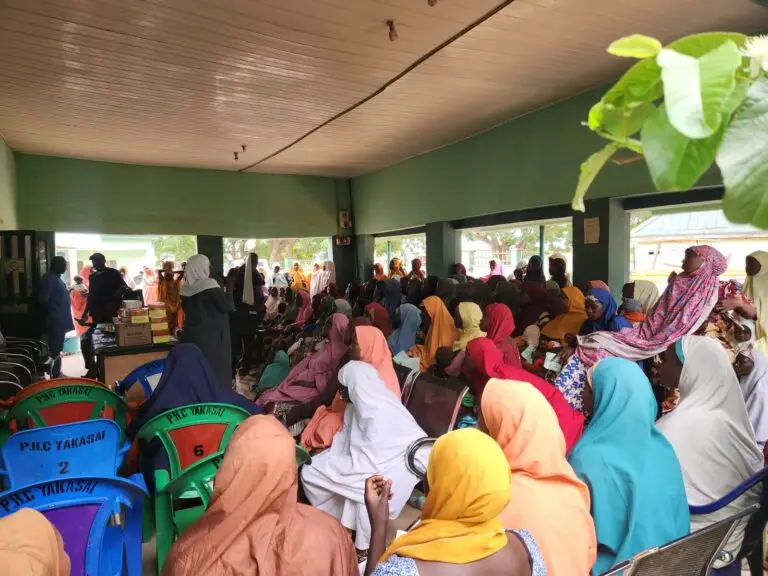
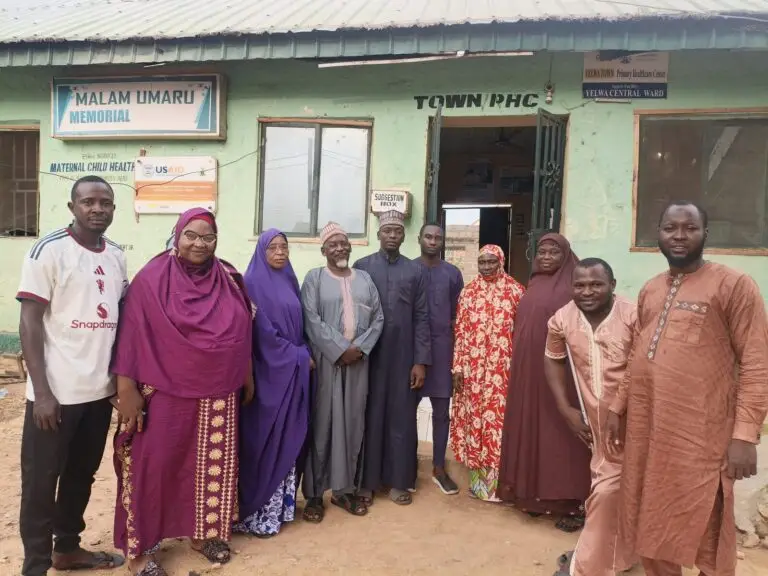
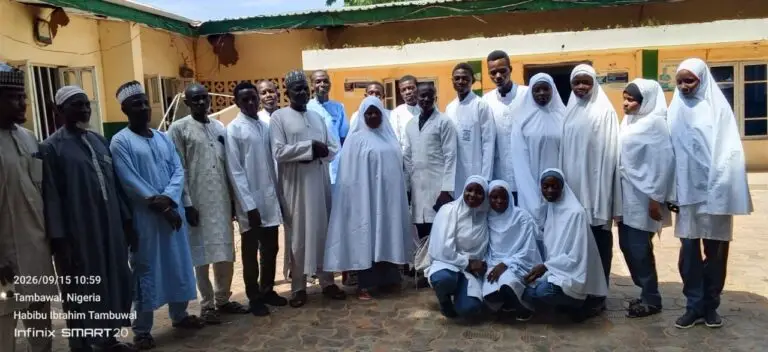
Three organisations, one accountable team
C-WINS
Centre for Well-being and Integrated Nutrition Solutions: technical leadership, strategy, policy advocacy, monitoring and learning, and consortium coordination. Leads in Kano State, nationally and in Osun State.
NANA Girls Empowerment Initiative
Community engagement and locally grounded implementation with women, adolescent girls and ward-level structures. Leads in Kebbi and Sokoto States.
ACOMIN
Civil Society in Malaria Control, Immunization and Nutrition: a national CSO network with deep experience in community monitoring. Leads in Kaduna and Katsina States.
What ICSA aims to contribute to
Through sustained advocacy, stronger partnerships, community participation and improved accountability.
- Increased and more sustainable domestic financing for child survival and primary health care.
- Better integration of immunisation, malaria and other essential child health services.
- Stronger community participation in health service delivery and accountability.
- Improved demand for immunisation and timely care-seeking for childhood illnesses.
- Greater use of data and digital tools to identify and address service-delivery gaps.
- More equitable access to essential health services for children in underserved communities.
Two aspirations ICSA works towards
Big aspiration 1
No mother, child or baby dies from a preventable cause.
Big aspiration 2
The next generation grows up in a world free of deadly infectious diseases.
By working at the last mile, ICSA seeks to help ensure that proven, life-saving health interventions reach the children and communities who need them most.
How we work
ICSA combines national and subnational advocacy with community engagement and practical service-delivery support, in three phases from start-up to institutionalisation.